专注厨房设备、厨房工程、抽排净化等
集设计、销售、安装和售后为一体
热门关键词:厨房工程、厨房设备、抽排净化
凯发首页-凯发网娱乐官网
- product display -

关于凯发首页 
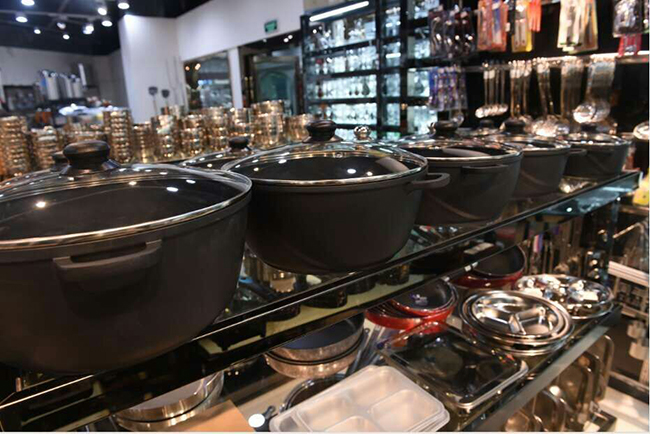
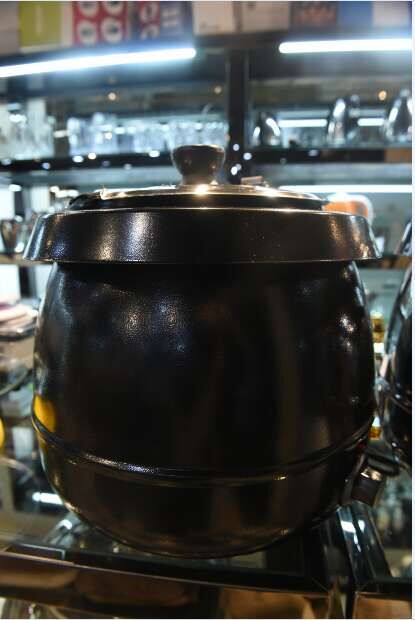
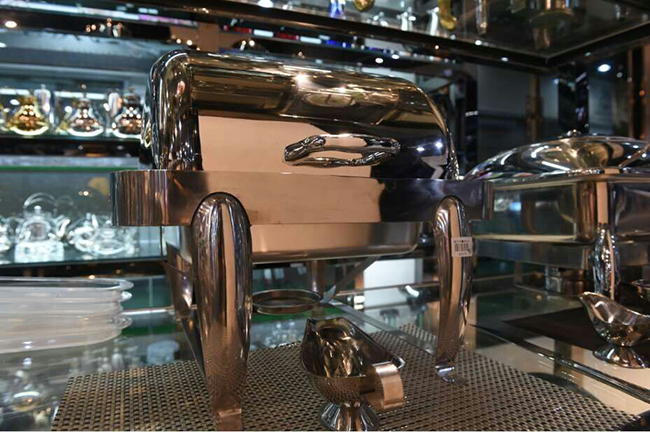
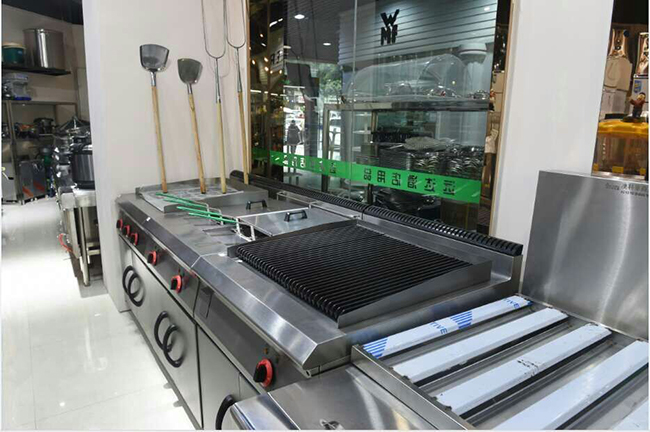
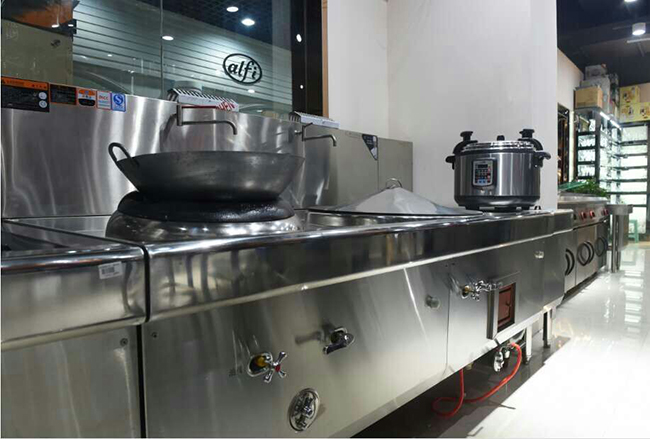
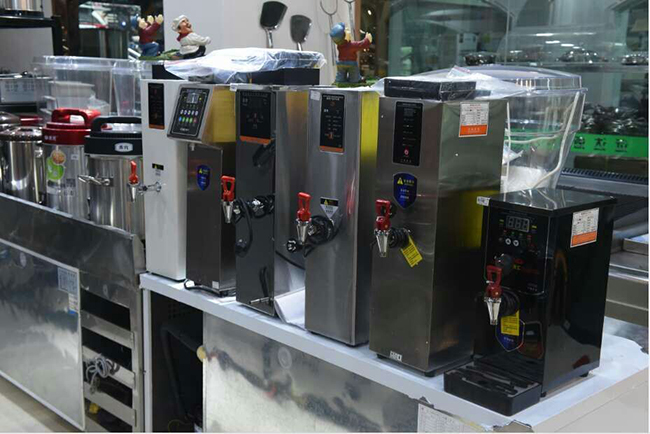
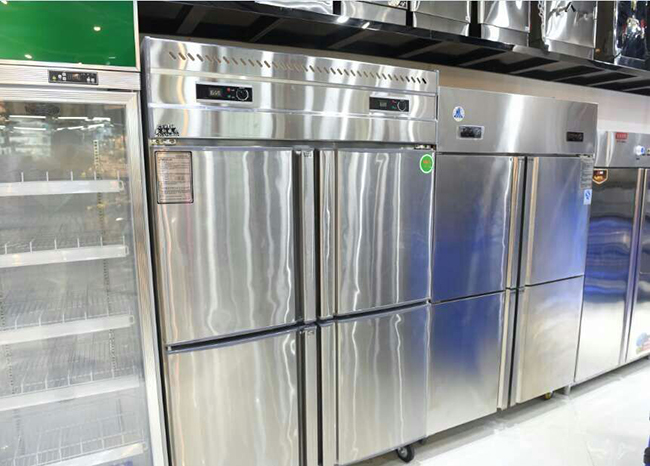
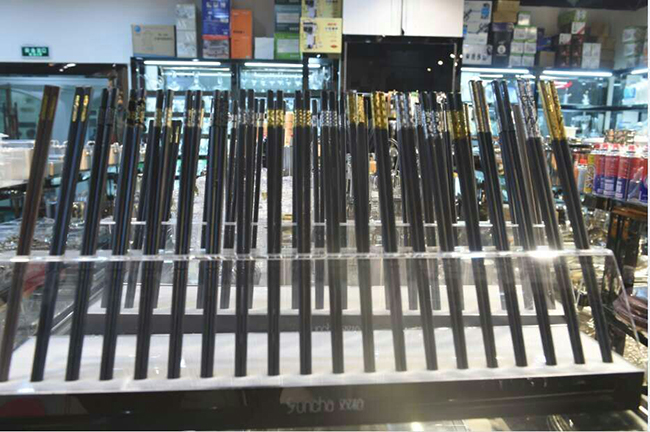
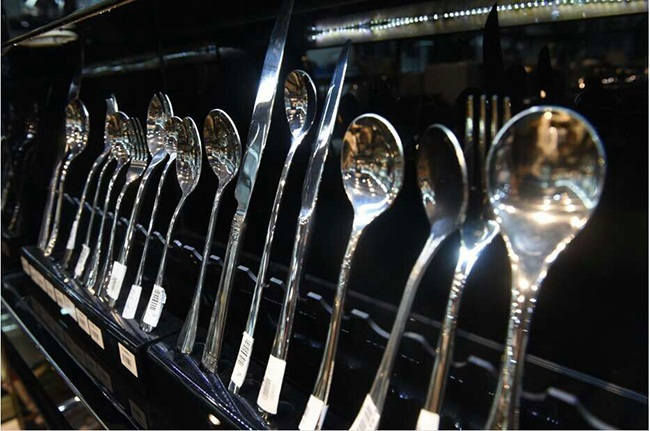
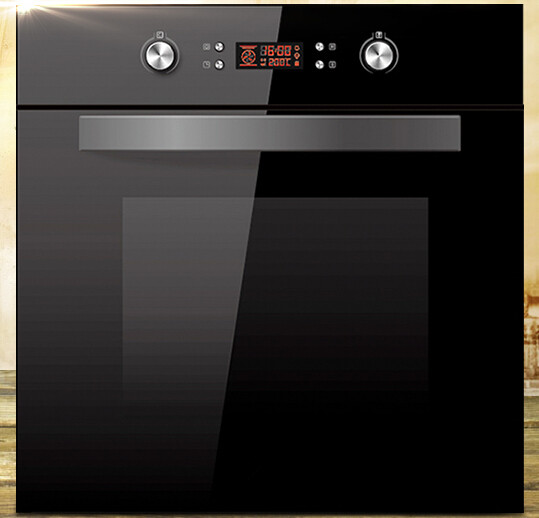
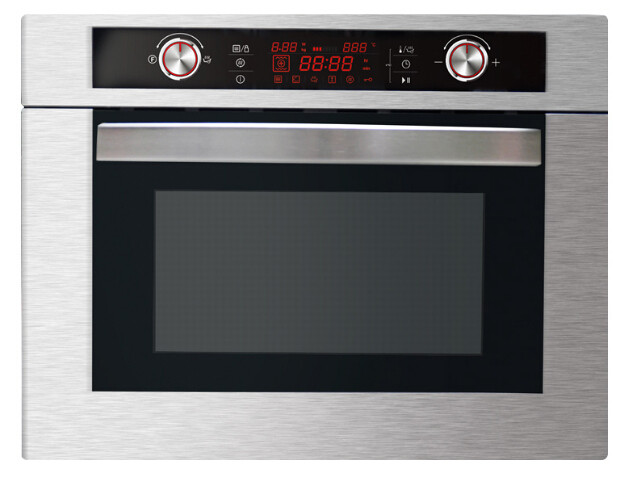
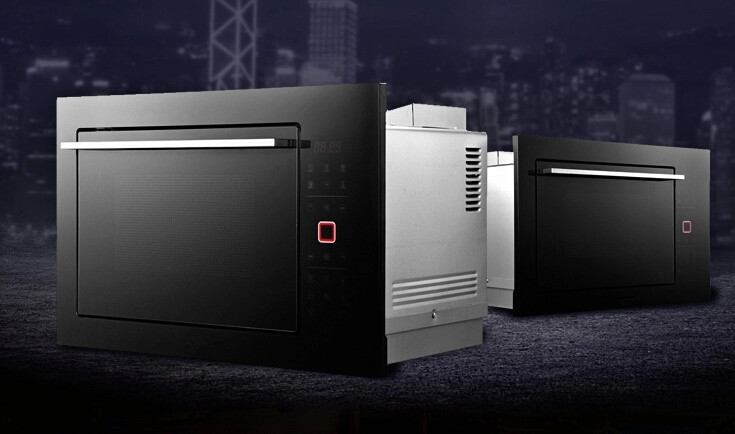
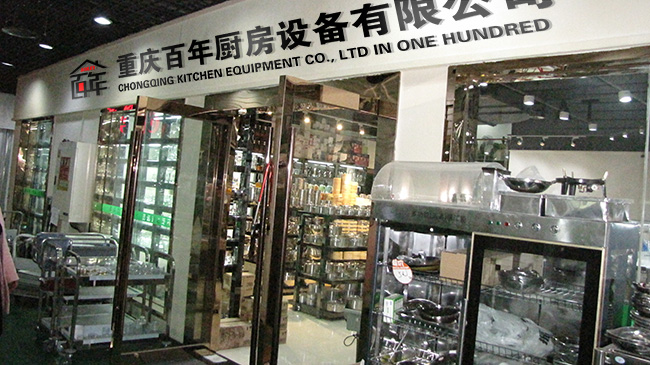
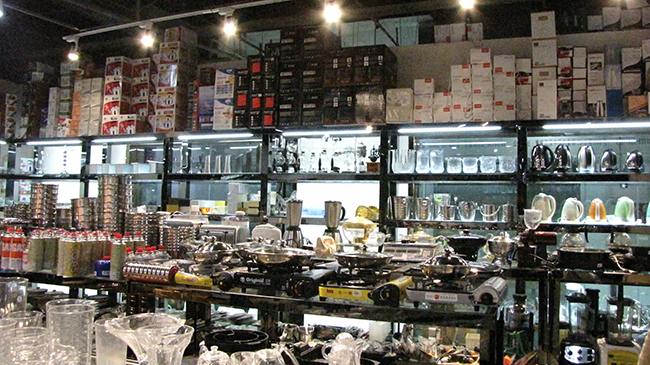
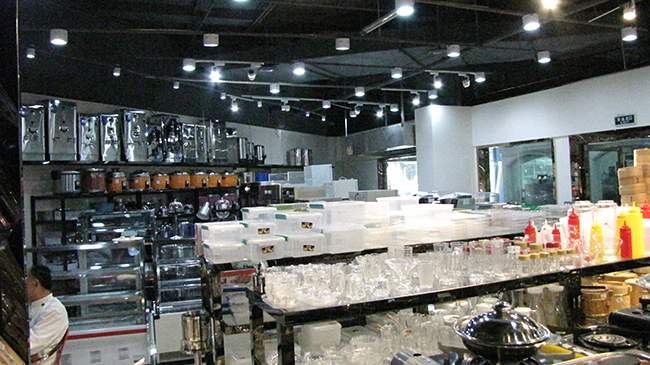
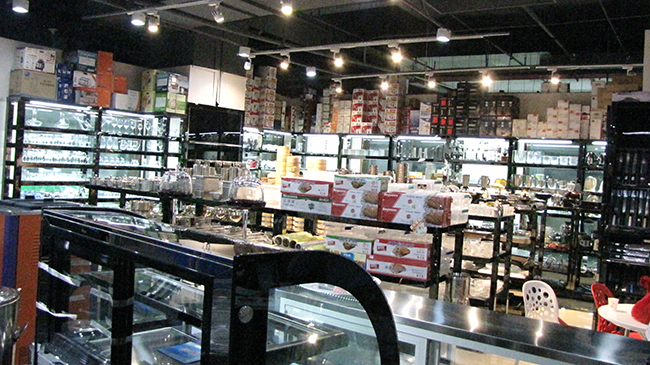
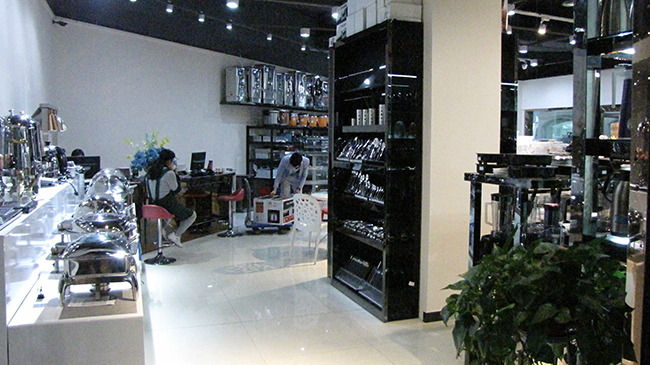
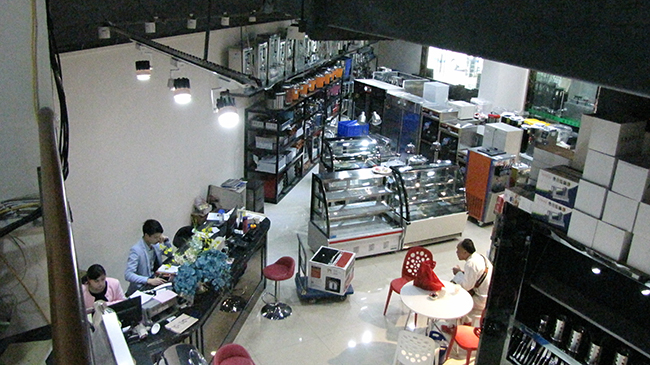
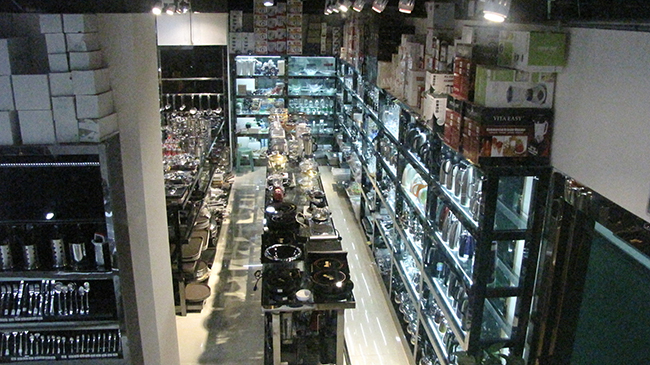
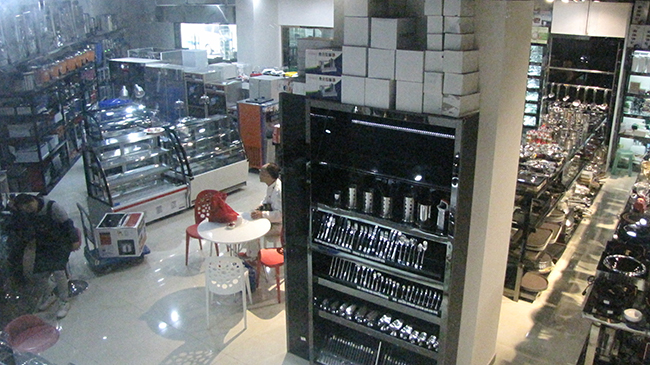
重庆百年厨房设备有限公司位于重庆市渝北区黄泥磅,集设计、销售、安装和售后为一体,经营的主要产品包括:厨房工程、厨房设备、抽排净化、料理刀具系列、精品煲仔系列、铁板烧系列、食品夹系列、压克力系列、纸锅系列、烘焙系列、酒吧用品系列、食品机械等各式的中、西厨具新产品。
我们拥有具备多年丰富经验的专业团队,并设立大型销售展厅,诚信进取,精益求精,树立了良好口碑。
成绩只能代表过去,唯有不断超越,方能不负众望,百年公司全体员工们…
- 2015年成立时间
- 800万元注册资本
- 多年来专注厨房设备
企业优势
- enterprise advantage -
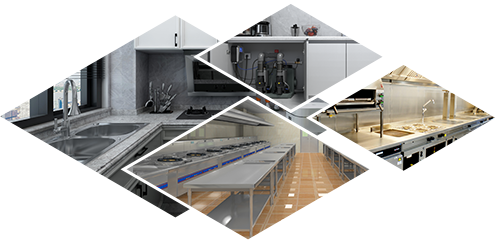
专 业团队汇集经验丰富的高级工程师
我们有充足的货源让消费者在一个商店里买到几近所需的商品,特殊产品可以非标异形定制;
这里提供给您完善的售前咨询,上门免费测量,勘察,检验等服务;
这里提供给您厨房工程cad图纸设计,厨房专修图稿,及凯发首页的售后服务;
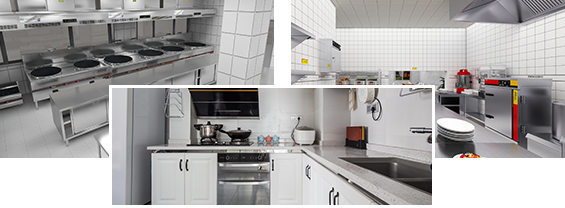
创 新潜心专研发展生产工艺
厨房设备行业一直都是依靠传统的生产工艺,结合行业发展的趋势,借鉴发达国家的先进技术;
厨具设备在传统工艺的基础上创新发展,制定切实可行的发展方案,充分发挥产品和工艺的优势;
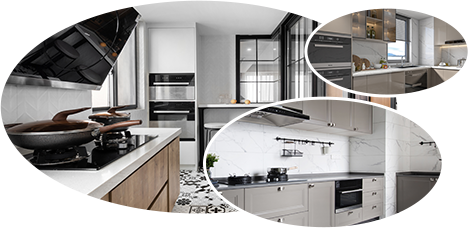
定 制提供免费现场勘察设计
技术领先方能制造出优质的产品技术工艺,核心生产技术应用与研发成为业内企业关注的焦点;
厨具产品的创新也开始由装饰性向功能性转变,经历了风格诉求、材质争辩后,必须真正回归到“功能说”;
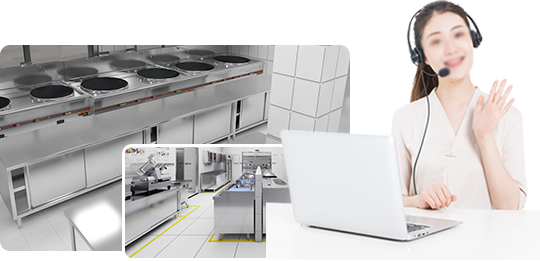
服 务提供完善的一站式凯发首页的售后服务
7*24小时快速应答,及时解决您的困惑,建立一套企业快速反应的凯发首页的售后服务机制;
专业售后技术团队, 定期新老客户回访,随时提供技术指导;
品牌化,给客户带来更多的增值服务。
新闻资讯
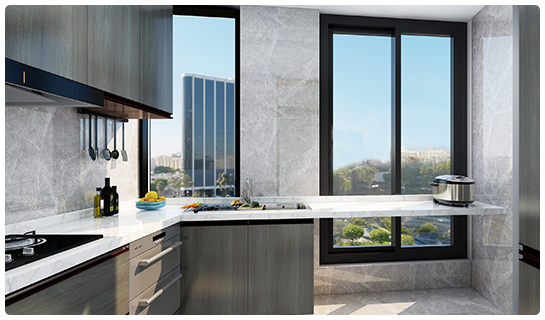
- 厨房设备厂讲述厨房油烟的危害2024-03-07
- 讲述商用厨房设备的标准2024-01-31
- 讲述商用和家用厨房设备的区别2024-01-31
- 叙述商用厨房设备的设计原则2023-12-25
厨房设备厂讲述厨房油烟的危害2024-03-07
厨房烟气主要是指厨房管理操作系统产生的热油烟气,这些企业烟气对人体的危害比香...
讲述商用厨房设备的标准2024-01-31
1、考虑各种成本
考虑成本是极不完整的,人们只考虑购买产品价格,这会给我们...
讲述商用和家用厨房设备的区别2024-01-31
厨房是每个家庭都需要有的,毕竟,人们以食为天,食物是需要通过厨房设备自己做来...
叙述商用厨房设备的设计原则2023-12-25
商业厨房设备的工艺流程设计在宾馆、饭店和大型食堂的使用中具有十分重要的意义。...
讲述酒店厨房设备的四原则2023-12-25
酒店厨房设备应遵循四个原则:
在方便的原则下,厨房的操作应该有一个合理的过...
- 在线咨询consultation
- 预约到店appointment
- 私人订制private order
- 签约合同sign a contract
- 物流配送material flow
- 凯发首页的售后服务after-sales

手机:13996244222 电话:023-67602375
传真:023-67602375
地址:重庆市渝北区黄泥磅紫荆路183号a区5号
传真:023-67602375
地址:重庆市渝北区黄泥磅紫荆路183号a区5号
凯发首页的产品展示:product display

凯发首页的友情链接:
凯发首页 copyright © 2015-2023 重庆百年厨房设备有限公司 inc. all rights reserved. 备案号:
本网站内容(文字、字体、图片)均来源于网络,如有凯发网娱乐官网的版权问题请联系凯发网娱乐官网删除!
本网站内容(文字、字体、图片)均来源于网络,如有凯发网娱乐官网的版权问题请联系凯发网娱乐官网删除!